Skip to content

Workforce

Tag: benefits

Posted on November 14, 2018June 29, 2023

How HR Benefits By Getting Political

politics, election, vote

This month, I spent a long weekend before the midterm election supporting my brother-in-law’s campaign for a state Assembly seat in rural Wisconsin.

We traveled to several campaign offices and spent the days knocking on doors in small towns. Approaching strangers’ houses to ask them about their political affiliations or their plans to vote can be an uncomfortable experience at first. But it quickly becomes energizing as you encounter incredibly interesting people and witness their reactions.

For me, being part of the boots-on-the-ground effort to motivate voters was deeply inspiring, and it renewed my appreciation for the tireless work that happens outside the cable news cycle.

I was struck by the varied examples of people stepping up and stepping into an opportunity to do something for their community. Whether actually running for office, as my brother-in-law did, or staffing a field office, managing a campaign, hosting an event or attending a town hall meeting, there are countless ways to engage in local issues. And it got me thinking about all the other ways I — and our industry — could be adding to important local and national dialogues.

Given the big challenges facing our country, I can think of no group more qualified or capable of influencing our political climate than HR and benefits leaders, who all have expertise in many of the areas being debated at the national level. HR leaders know all about balancing competing interests, creating equal opportunities and managing complex health and financial programs.

We know how to create policies and programs that can scale. We also know that a solid safety net benefits not only those who need it but also the community around them.

benefit of politicsKatherine Eyster, deputy director of workplace programs at the National Partnership for Women & Families, agrees that HR leaders have valuable insights: ā€œHR professionals have a key role to play in sharing their experiences with policymakers and advocates to ensure that legislation is thoughtfully and effectively designed with real companies and workers in mind.ā€ Through her organization’s work, more than 75 companies and business leaders recently endorsed the need for a strong national paid family and medical leave policy.

ā€œFor too long the false narrative has endured that what is good for workers is bad for business, when evidence shows time and again that when workers thrive, businesses and the economy grow,ā€ she said.

Adding our voices to the national debate is an idea gaining momentum among HR leaders. Rosemarie Day, founder and CEO of Day Health Strategies, has a forthcoming book about engaging in politics to protect access to health care. In it, she presents a ā€œcontinuum of involvementā€ that shows the various ways to get involved.

She shares ways you can speak as a private citizen or spokesperson for your organization. The first step is getting (and staying) informed, followed by sharing information, supporting a cause, speaking up, showing up (at events, rallies and more), organizing people and even running for office.

ā€œAs a society, we need safeguards and safety nets,ā€ she said. ā€œBenefits managers can represent the human side of capitalism, and they know the limitations of what private companies can do and the gaps that are very critical for the government to fill.ā€

Renee Lutzen, director of health care product management at UMB Healthcare Services (one of our clients), is a member of the Employers Council for Flexible Compensation. In that capacity, she has been able to visit legislators and regulators and educate them about the issues we face every day.

ā€œLegislative offices are interested in and very receptive to hearing real stories from real people — those of us who are working in the industry of health care, HR and benefits administration. We’re not just sitting at a desk crunching numbers against theoretical concepts. We have real-life examples we can share on how current health care policies are impacting individuals along with insights on the potential effects proposed policies will have,ā€ she said.

This year, I’m vowing to get more involved and helping others do the same. As for my brother-in-law, he lost by a tiny margin, but I have no doubt he’ll have a fantastic career in public life. His efforts and the integrity and vision that guided his campaign inspired thousands of people in his district and beyond. I hope our efforts will do the same.

Posted on November 8, 2018October 18, 2024

The Benefits of Offering Backup Elder Care to Employees

elder care

As the population of the United States ages, millions of adult workers are already providing care for an elderly parent or family member.elder care

Providing such care while working a full-time job is both physically and mentally taxing for most employees, and studies even show that burnout from caregiving responsibilities cost companies nearly $13.4 billion each year in health care expenses.

To make matters worse, employees who care for their aging parents are more likely to be less productive, take more time off, and arrive to work late on a regular basis. This is troubling news for many companies, especially since lower productivity often equates to lower revenue. Some companies are beginning to offer a variety of support resources to employees doubling as caregivers.

Backup elder care is a benefit some organizations are considering for employees. In general, there are two primary types of elder care benefits:

  • Dependent care assistance plans. These plans deduct a certain portion of an employee’s paycheck (gross amount before taxes) to pay for elder care costs. According to Forbes, currently, 41 percent of employers offer this benefit.
  • Respite care. Offered by only 7 percent of companies, this benefit offers short-term care to family members when an employee needs to rest, take time off or go into work.

Some other types of elder care benefits include:

  • Flexible work options. These options include allowing caregiver employees to work from home, have flexible hours during the day, or providing paid time off.
  • Care subsidies. This benefit would help employees with the cost of elder care with subsidies covering either direct costs or backup care.
  • Support groups. Employers can create onsite caregiver support groups for employees. This will allow them to speak with fellow coworkers dealing with caregiving of senior parents and perhaps find some value in communicating. The employer may also provide online support group resources if onsite isn’t an option.

Respite care is the benefit most commonly referred to as backup elder care, and it is provided through the private insurance companies employers contract with. It is a voluntary benefit, so employees who do not need backup elder care do not have to enroll. If an employee does not know whether they have these benefits, they should speak with a human resources or benefits manager.

The Professional Impact of an Aging Population

Ā According to the U.S. census, nearly 70 million Americans will be over the age of 65 by 2030. This may sound like a shocking statistic to many, but as the baby boomer population ages and exits the workforce, their children and younger relatives might be required to act as caregivers in many situations.

Also read: Elder Care: You Can’t Buy, Pray or Prescribe Your Way Out of It

Backup elder care benefits helps employers reduce the amount of stress caregiving employees experience by allowing them to know that their loved ones will be cared for while they are at work.

Studies show that employees prefer to work for companies that offer a reasonable work-life balance. Companies should keep this in mind when deciding whether to provide backup elder care. Caregiving can be exhausting, even for the most dedicated individual and when paired with a demanding work schedule, employees become overwhelmed.

By providing elder care, caregiving employees will have more flexibility. This means limiting the choice of missing a workday or taking care of an infirm parent.

Scheduling Flexibility

According to a 2012 CareerBuilder study, nearly 40 percent of employees who voluntarily left the workplace did so because of a poor work-life balance. Few employees appreciate being called in at the last minute to work abnormal hours, but sometimes it is unavoidable. Most managers and supervisors are aware of this, but if their employees have outside caregiving obligations, they simply will not be able to depend on them to work outside of normal work hours.

Many employees also have difficulty balancing their caregiving responsibilities with regular work hours. Caregivers are more likely than other employees to leave work early and use paid time off to look after loved ones.

Also read: How to Confront the Elder Care Challenge

This can place a strain on the workplace when a valuable employee is not able to work their normal hours, especially if other workers are forced to pull their weight for them.

Millennials make up 35 percent of the American workforce, and as members of the baby boomer generation age millennials will have to accept the role of family caregiver. As of 2013, nearly 19 percent of caregiving employees were under the age of 40, and this percentage is only expected to increase in coming years. If a company fails to keep such statistics in mind when recruiting younger professionals, it may start to notice its talent pool shrinking because of its perceived lack of concern for its employees who double as caregivers.

Offering Backup Elder Care

As time continues to prove backup elder care should be a benefit offered by an employer, more companies are taking responsibility in offering these benefits. A main provider of backup elder care is Bright Horizons. They offer 24/7 backup elder care to employers. The organization is understanding of both the employer and employee’s needs and even provides an online self-service support for if the employee wants to choose and hire the caregivers themselves. Other providers include Care.com,Ā LifeCare andĀ Town + Country Resources.

Prices vary per provider, with some backup benefit providers estimating a minimum of $15,000 per year to be paid by the employer. The average amount of an employee paying for elder care services is estimated at $4 to $6 per day if the employer subsidizes the cost.

Offering backup elder care is not only beneficial for employees and their loved ones but a company’s bottom line as well. Caregiving employees cost companies millions of dollars in lost hours each year, and by offering backup elder care, you may be able to make up for these losses and retain your most valuable employees who want to work for a company that understands their needs and the importance of family.

Posted on October 19, 2018June 29, 2023

OSHA Softens Stance on Safety Incentive Programs, Post-incident Drug Tests

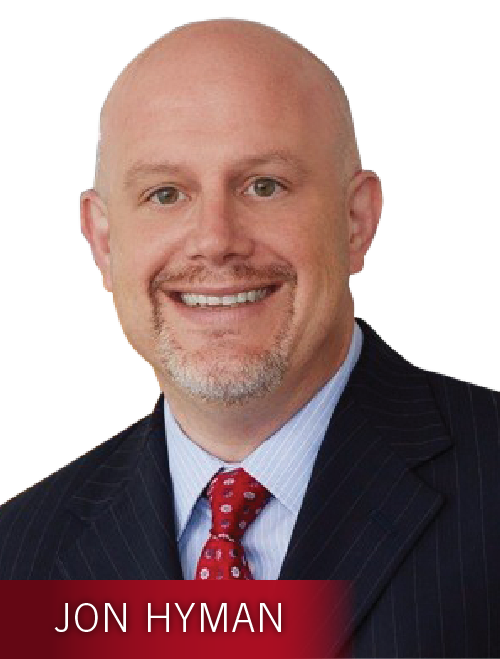
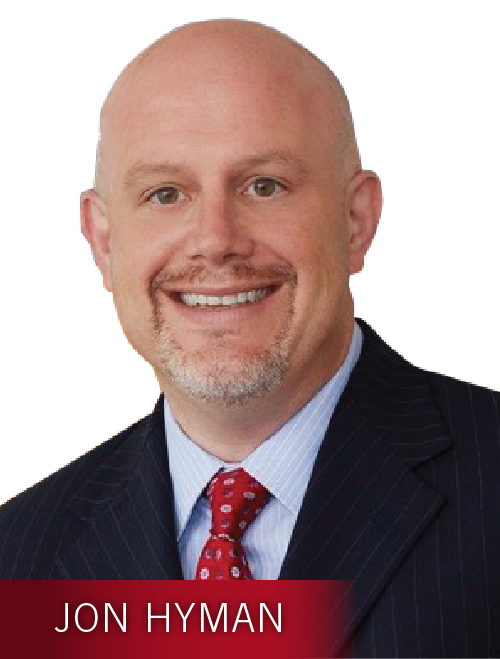
Jon Hyman The Practical Employer

It’s been two yearsĀ since OSHA announced its hard-line interpretation of its then newly announced anti-retaliation rules — that using incentive programs to penalize workers for reporting work-related injuries or illnesses, and that conducting post-incident drug testing without a reasonable possibility that employee drug use could have contributed to the reported injury or illness, constitutes unlawful retaliation under OSHA.

Last week, OSHAĀ published a memoĀ that specifically clarifies that it “does not prohibit workplace safety incentive programs or post-incident drug testing.” [emphasis in original]

What does this mean?

Incentive Programs

One example of an incentive programs is one that rewards workers for reporting near-misses or safety hazards. According to OSHA, “Positive action taken under this type of program is always permissible.”

Another example rewards employees with a prize or bonus at the end of an injury-free month, or evaluates (and bonuses) managers based on their work unit’s lack of injuries. According to OSHA, these programs are also permissible, “as long as they are not implemented in a manner that discourages reporting.”

According to OSHA:

If an employer takes a negative action against an employee under a rate-based incentive program, such as withholding a prize or bonus because of a reported injury, OSHA would not cite the employer [for retaliation] as long as the employer has implemented adequate precautions to ensure that employees feel free to report an injury or illness.

What are “adequate precautions to ensure that employees feel free to report an injury or illness?”

  • An incentive program that rewards employees for identifying unsafe conditions in the workplace;
  • A training program for all employees to reinforce reporting rights and responsibilities and emphasizes the employer’s non-retaliation policy;
  • A mechanism for accurately evaluating employees’ willingness to report injuries and illnesses.

Post-Accident Drug TestingĀ 

According to OSHA, “most instances of workplace drug testing are permissible.” Examples of permissible drug testing include:

  • Random drug testing.
  • Drug testing unrelated to the reporting of a work-related injury or illness.
  • Drug testing under a state workers’ compensation law.
  • Drug testing under other federal law, such as a U.S. Department of Transportation rule.
  • Drug testing to evaluate the root cause of a workplace incident that harmed or could have harmed employees. If the employer chooses to use drug testing to investigate the incident, the employer should test all employees whose conduct could have contributed to the incident, not just employees who reported injuries.

Employers no longer need a nexus between the possible or suspected drug use and the reported injury or illness.

If you have questions about implementing or modifying a workplace safety incentive program, or a post-accident drug testing program,Ā contact your Occupational Safety & Health team.

Jon Hyman is a partner at Meyers, Roman, Friedberg & Lewis in Cleveland. Comment below or emailĀ editors@workforce.com.

Posted on October 18, 2018June 29, 2023

Boutique Fitness: The Holy Grail for Wellness Programs?

boutique fitness wellness benefits

EDM Cycling. Surf Set Fitness. Punk Rock Dance Class Aerobic Kickboxing (yes, really!). Hot Yoga. Class Rowing. Barre. Boutique fitness studios and newly fashioned fitness crazes held in small group settings are growing in popularity and helping millions of people get active. Creative instructor-led group classes cater to multiple generations of consumers and are highly effective at engaging members to live an active, healthy and fun lifestyle.

boutique fitness wellness program
Nick Park, benefits consultant at Corporate Synergies

Access to boutique fitness studios is also becoming an appealing voluntary benefit. Now, some employers are sponsoring access to both small studios and big box gyms with the help of tech-forward companies that aggregate multiple fitness facilities into single-point networks.

The trend toward coached fitness has injected adrenaline into employer-sponsored health and wellness initiatives. That’s because boutique fitness classes appear to engage employees in healthy long-term behaviors. Some progressive HR pros are wondering if they’ve finally found the holy grail of employer-sponsored fitness programs. The answer: maybe.

Wellness programs have changed drastically from the days when employers handed out pedometers at wellness fairs. Today, many businesses provide discounts to traditional, big box gyms. Employees track each visit (often through a gym’s app or their membership system, but sometimes still by hand) and receive monetary reimbursement after visiting a specified number of times in a year — say $150 for 150 visits.

While traditional gym reimbursement is a stride forward, it can still limit engagement to a specific type of self-motivated employee and family member. Big box gyms often offer a limited number of classes that are appealing to the masses.

Boutique fitness studios are becoming increasingly popular because of small class sizes that allow instructors to focus more attention on participants and creative approaches to fitness that engage participants.

Beyond of what most Americans remember from ninth grade Phys Ed class, the vast majority of adults don’t know how to exercise outside of basic running and calisthenics. High-impact exercise on an untrained body can lead to injury, which means that employees need more personal guidance at the start of an exercise regimen that boutique studios can deliver.

Those who are motivated may also miss out on the benefits of a health and wellness program. Employees who would rather cycle for 45 minutes or take part in hot yoga may not get credit from their employer’s wellness program just because they choose to work out at a boutique fitness studio or other instructor-led classes outside of a traditional gym.

boutique fitness wellness program
Creative instructor-led group classes like barre, cycling, kick-boxing and hot yoga cater to multiple generations of consumers in a wellness program.

Tech-forward fitness companies like ClassPass, Peerfit and Gympass enable employees to pay a monthly subscription fee to attend classes at different boutique fitness studios, as well as traditional gyms. Here’s how it works: An app shows users nearby studios. Employees can register for individual classes, whether it’s cycling, boot camp, yoga or kickboxing. Some apps also use algorithms to recommend new or different fitness classes or fitness trends depending on user behavior.

As more people use the service, the apps compile feedback from users and suggest highly rated classes based on positive experience and popularity.

Boutique fitness studio apps can help make a difference with instruction, coaching, motivation and flexibility:

  • The apps encourage users to exercise regularly; some also incorporate peer motivation so employees can sign up for classes and encourage their colleagues and friends to join them.
  • They can help users set goals and stay on track with push notifications and messages (a benefit particularly useful for those just starting their wellness journey).
  • Some apps include audio coaching for interval running on a treadmill, weight lifting, aerobics and meditation.
  • When employees travel, they can easily find a participating boutique fitness studio in their area or work out alongside a streaming on-demand video.

Employers that wish to offer this service can often do so at a discount to their employees. The specific pricing structure depends on the app or service chosen; however, they are typically competitively priced.

A boutique fitness studio benefit could be offered as a sole gym membership benefit, or it could be added to a more traditional gym membership reimbursement program to give employees more flexibility in getting and staying fit.

Employers that have established health and wellness programs can also incorporate boutique studio subscriptions into their programs, or build a wellness program around them. The fitness apps provide data to track participation and encourage use. Ā Some vendors will go as so far as to build an application programming interface (API) that will work with a pre-existing wellness technology platform used by an employer. APIs feed participation data to an employer’s wellness platform so employees get credit for it.

Providing boutique fitness studio subscriptions can address two focuses for employers — keeping employees healthy and catering to an increasingly diverse workforce. This type of benefit provides more flexibility to employees, gives them better access to fitness classes (which is a big advantage for teams spread across multiple locations) and has the potential to increase engagement in health and wellness programs.


Posted on September 6, 2018June 29, 2023

Behaviors, Not People, Are Cost Drivers

cost drivers
Everyone has a health-related vice. It’s more respectful to refer to them as a person and not by their unhealthy habits.

The language you use is important. People are people. Call them what they are.

I say this because of a common phrase I’ve come across occasionally in my health care research. I attended a webinar in which the speaker consistently referred to people as ā€œcost-drivers.ā€ Obese employees were referred to as ā€œcost-drivers;ā€ so were employees with diabetes. What does someone who is obese cost you compared to someone who is not obese, the moderator posed. This is a major pet peeve of mine in health care reporting — both the language used and the idea that a person’s health status could potentially influence a candidate’s perceived hireability for a company.

We’re all in the HR space here. I wouldn’t be surprised if you, too, have come across handfuls of headlines and articles about ā€œputting the ā€˜human’ back in human resources.ā€ I’d like to argue that when we’re talking about health care and health problems that need medical attention, let’s be careful to keep the ā€œhumanā€ in mind, too.

There’s a person behind that health care cost, and you don’t know how much physical, mental or financial stress that health problem is putting on them. Stop acting like people’s health problems are more inconveniences for you than inconveniences for them.

Most people have some sort of cost-driving behavior, whether that’s smoking, not eating healthy enough, not sleeping enough or drinking too much coffee. Even people who work out, do yoga, practice mindfulness and eat healthy participate in some behavior that one might consider unhealthy. Most everyone has a health-related vice.

People should take responsibility for their own health, but adopting the perfect heath behaviors in every aspect of our lives is impossible. Every person, regardless of their health status, drives health care costs.

Yes, of course organizations have the responsibility to try to stay financially healthy, and a continuing, rising cost in many companies are health care expenses. It’s not surprising that businesses want to focus on decreasing health care costs, and it’s not negative that they want to do so.

Referring to employees as rusting machines that require constant maintenance rather than humans whose health problems are realistically more complex than a simple fix rubs me the wrong way. Ultimately, it’s an objectifying way to describe people. It comes across as a way to disregard the human behind the heath behavior.

Also read: Some Constructive Criticism on Workplace Wellness

Not long ago, a pre-existing condition was a valid reason for insurance companies to deny people coverage. And, with the future of health care legislation in the U.S. so uncertain, who knows what the future of this practice will be? Might employers possibly take a similar route and choose the healthiest candidates first, regardless of if they’re the best person for the job, to avoid those pesky, sick ā€œcost driversā€?

That situation isn’t entirely ridiculous. For example, a few stories this past year have focused on the ā€œpotential nuances of a culture of health.ā€ CNBC posted a story this past March about a health startup criticized online for being ā€œcultishā€ and ā€œfit supremacist.ā€

Corporate Wellness Magazine has published a feature about how companywide health goals and human needs can clash when things like weight-loss competitions and employees with eating disorders combine. Employees of a water company in Sweden risk lower wages if they don’t participate in a mandatory workout every week.

There has to be a way to mix financial responsibility and human understanding — at least if you truly do want to ā€œput the ā€˜human’ back in human resources.ā€

My take on this: when you refer to a ā€œcost driver,ā€ make sure it’s a something and not a someone. And don’t let their status as a ā€œcost driverā€ impact the value you place on them as an employee or as human beings.

Andie Burjek is a Workforce associate editor. Comment below or email editors@workforce.com.

Posted on September 5, 2018June 29, 2023

The FLSA’s Exemptions Are Becoming More ‘Fair’ for Employers

Jon Hyman The Practical Employer

InĀ Encino Motorcars, LLC v. Navarro, the Supreme Court ruled that overtime exemptions under the Fair Labor Standards Act “are to be given a ‘fair reading,’ meaning they are not to be construed too narrowly” (as had historically been the case).

The court applied this “fair reading” standard to conclude that automobile service advisors are exempt under the FLSA’s automobile-service exemption.

SinceĀ Encino, federal courts have applied the “fair reading” standard to find that various classes of employee are non-exempt (or likely non-exempt) under various of the FLSA’s categories of exemptions:

  • Bookstore cafĆ© managers
  • Lead underwriters
  • Information security specialists
  • Cementers
  • Network engineers

Recently, the Department of Labor itself applied this “fair reading” standard to conclude,Ā in an Opinion Letter [pdf], that the FLSA’s “retail or service establishment” exemption applies to sales representatives who sell credit-card-payment platforms to merchants.

Courts and the DOL are more willing than ever to conclude that employees are exempt under the FLSA. Yet, employers should not read this “fair” construction test as a license to reclassifyĀ allĀ of their non-exempt employees as exempt. However, it should give employers some comfort that in closer cases, courts should not be so quick to conclude that they misclassified an employee.

Jon Hyman is a partner at Meyers, Roman, Friedberg & Lewis in Cleveland. Comment below or email editors@workforce.com. Follow Hyman’s blog at Workforce.com/PracticalEmployer.

Posted on September 5, 2018June 29, 2023

Mindfulness Training Adds a New Peace to Wellness Programs

Team Horner Group, a pool-supply manufacturing and wholesale distribution company with a nationwide footprint of 480 employees, focuses on employee well-being to the extent that it was one of five companies nationwide to win the 2014 American Psychological Association’s Psychologically Healthy Workplace award.

mindfulness education
Jeska Brodbeck, a mindfulness education and performance coach, works with employees of Team Horner as an antidote to stress. Photo by Edison Rumbos

Not surprising, given that the company has offered employees yoga, meditation, financial and life coaching, and personal training at its in-house gym and exercise room, as well as a discounted massage program.

Team Horner has taken it up a notch recently, adding mindfulness education for its employees as an antidote to stress.

ā€œAccording to the American Institute of Stress, 80 percent of workers feel stress on the job,ā€ said Jeska Brodbeck, a Miami-based mindfulness and performance coach who taught Team Horner employees. ā€œStress is a tremendous issue at the workplace and is often only addressed minimally. Nearly half say they need help in learning how to manage stress and 42 percent say their co-workers need such help. Two-thirds of doctors office visits are for stress-related conditions.ā€

While a modest amount of stress in the workplace is normal, sustained levels can be harmful and lead to numerous health issues, affect professional and family relationships, and contribute to poor work performance, said Carol Ann Rydahl, a health strategy consultant with Minnesota-based managed health care company UnitedHealthcare.

A recent UnitedHealthcare survey indicated almost 90 percent of employees report a positive impact from meditation or mindfulness on their overall health and well-being, with 41 percent indicating a significant impact.

Mindfulness may be the answer to help lower employee stress and improve productivity through freeing employees of habitual patterns of thinking, judging, feeling and acting, and may help them perform better, ignore distractions and make better decisions throughout the day, Rydahl said.

mindfulness training
Team Horner employees practice mindfulness training. Photo by Edison Rumbos

As such, ā€œEmployers also may benefit by experiencing more productivity, with an enhanced sense of culture and connectedness that can drive more creativity and innovation while reducing absenteeism, burnout and turnover,ā€ Rydahl said.

Mindfulness also can boost working memory, reduce emotional reactivity, offer greater cognitive flexibility and reduce rumination, Brodbeck said.

Following a solid body of research on mindfulness by universities and institutions that prove its multiple benefits, mindfulness programs are now offered by some health plans, including UnitedHealthcare, and medical centers, hospitals, schools and businesses, Rydahl said.

mindfulness training
Jason Rutz, Cigna health engagement specialist.

ā€œWe’ve found that mindfulness is an effective approach for relieving stress and improving focus. We encourage employers and employees to include mindfulness as part of a holistic approach to health and wellness,ā€ said Cigna Health Engagement Specialist Jason Rutz, crediting Brodbeck for helping people recognize opportunities for self-improvement and develop new habits that can reduce stress, increase productivity and improve quality of life.

ā€œMany times, we think of wellness programs as only focusing on nutrition and exercise and not mental health and the different ways of dealing with every day stress,ā€ said Joel Staco, Cigna’s onsite benefits representative for the city of Hollywood, Florida, in its human resources office.

With roots in the corporate world, Brodbeck understands firsthand the challenges employees and executives face in the workplace. She has practiced mindfulness and yoga for more than 14 years, having trained at the U.S. Kripalu Center for Yoga & Health.

She is training in mindfulness-based stress reduction, a program based on the work of Jon Kabat-Zinn, founder of the Stress Reduction Clinic at the University of Massachusetts Medical School, a preeminent meditation-based clinical program.

Through her business, Be Light Consulting, Brodbeck brings her Mindful Performance Training program to C-level private and public-sector executives and employees, teaching them practices such as mindfulness ā€œthat can act as triggers for the ā€˜flow state,’ also known in science as transient hypofrontality or by athletes as being in ā€˜the zone,’ ā€ she said.

ā€œWhen a person is in the zone, they can perform with high levels of creativity, little to no negative stress and complete focus and engagement,ā€ Brodbeck said. ā€œThis training creates a paradigm shift in the way employees are working and living so that they can get their work done and also enjoy the process.ā€

Brodbeck’s science-based course is taught in eight modules that delve into meditation, shifting from stress to calm in under five minutes, reducing emotional reactivity, and moving into the flow against distractions.

Other topics include time management, relaxation techniques, harnessing the power of the mind, and mindful communication.

Brodbeck’s mindfulness lessons bring something different to the table, said Kim Kent, who coordinates the well-being department at Team Horner.

Brodbeck’s course ā€œties it together like a thread, putting together techniques that are takeaways you can implement in your daily life,ā€ Kent said. ā€œMindfulness is not just about addressing stress, but also time management, which can be stressful if you don’t manage it well. We learn about mediation, focus and flow.ā€

Of all of the wellness programs Team Horner has offered, Brodbeck’s has drawn the highest participation percentages from warehouse employees to vice presidents, Kent said.

Kent also favors Brodbeck’s scientific approach, which helps participants not only understand the impact of mindfulness on brain function but why it is important.

ā€œWe are so thrilled with what Jeska has done, taking the mystery out of this buzzword ā€˜mindfulness,’ ā€ Kent said. ā€œPeople are embracing how the strategies she’s given us can really help our lives.ā€

At Team Horner, the course is taught during the lunch hour, with lunch provided by the company.

The wellness programs — especially the mindfulness presentations — have benefited the company, Kent said. Employee surveys indicate positive feedback. Employees also are getting bigger insurance discounts based on annual health risk assessments.

ā€œWe see upticks on data like employees’ blood pressure getting better because we’ve been teaching people about stress,ā€ Kent said. ā€œThis is an employee-owned company with the understanding that when you invest in your teammates, your teammates feel valued.ā€

mindfulness training
Tracy Duberman, president and CEO of the Leadership Development Group.

Of the city of Hollywood’s 1,300 employees, 25 to 30 voluntarily participated in Brodbeck’s program, Staco said, adding those who have participated in it have offered positive feedback.

As was the case at Team Horner, the driving factor for launching the mindfulness program was to provide a different aspect of wellness for city employees, Staco said.

ā€œWe all look forward to that hour respite from our daily work duties,ā€ said Hollywood City Attorney Doug Gonzales. ā€œThe skills taught in that short period of time are invaluable and certainly lead to more productive employees, which in turn benefits everyone involved.ā€

Gonzales sees value for the program for anyone ā€œwho can use a relaxing moment to themselves during an otherwise hectic day.ā€

Health care facilities can be one of the most stressful workplaces and mindfulness can play a key role in stress reduction, said Tracy Duberman, president and CEO of The Leadership Development Group, a global talent development firm that works with health care leaders.

ā€œIn our experience coaching leaders, we incorporate mindfulness practices to center our clients as they begin and end a coaching session,ā€ Duberman said. ā€œThis allows their minds to focus on the session goals rather than their next work task.

ā€œLeaders begin to see the results of the practice in its ability to promote resiliency and the ability to lead in complex conditions,ā€ she said. ā€œEmbedding the practice within an organization takes concerted effort, a conscious focus on personal daily practice and facilitated group-based meditation as part of the organization’s daily practices.ā€

Carol Brzozowski is a Florida-based independent journalist. Comment below or email editors@workforce.com.

Posted on August 30, 2018June 29, 2023

Does the FMLA Protect Organ Donation Surgery as a ‘Serious Health Condition?’

Jon Hyman The Practical Employer

Organ donors are living saints. If you are in need of an organ to save your life, and someone is willing to sacrifice a kidney, or a liver segment, or bone marrow, and selflessly accept the pain and inconvenience, you are very, very fortunate.

Sacrificing one’s organ to save another’s life should not also result in sacrificing one’s job.

Earlier this week, the U.S. Department of Labor Wage and Hour Division publishedĀ Opinion Letter FMLA2018-2-A [pdf], which answers the question, “Does organ-donation surgery can qualify as a ‘serious health condition’ under the FMLA?” (Thanks to Eric MeyerĀ for bringing this to my attention.)

The answer isĀ yes.

The FMLA defines a “serious health condition,” in part, as an “illness, injury, impairment, or physical or mental condition that involves … inpatient care in a hospital, hospice, or residential medical care facility.” “Inpatient care” means as “an overnight stay in a hospital, hospice, or residential medical care facility, including any period of incapacity … or any subsequent treatment in connection with such inpatient care.”

According to the United Network for Organ Sharing, donors usually remain in the hospitalĀ four to seven daysĀ after the harvesting surgery. Thus, because organ donation commonly requires overnight hospitalization, it qualifies as a serious health condition covered by the FMLA.

Thus, covered employers (those with 50 or more employees on the payroll during 20 or more calendar workweeks in either the current or the preceding calendar year) must provide FMLA leave to an eligible employee-donor (someone employed for at least 12 non-consecutive months, who worked 1,250 hours during the 12-month period preceding the start of the requested leave, and who works at a location with 50 or more employees within a 75-mile radius).

What if, however, you are not an FMLA-covered employer? Or the employee-donor is not FMLA eligible? Or they already used up their 12 weeks of FMLA leave? Think twice before you deny requested time off for organ donation.

  • Many states have their own specificĀ organ-donor leave lawsĀ that require leave above and beyond the FMLA.
  • The ADA may require that you grant the time off with, or without, the FMLA or state-specific law.Ā The ADA does not requireĀ an employer to provide a reasonable accommodation to a person without a disability due to that person’s association with someone with a disability. Nevertheless, the ADA mandates that an employer avoid treating an employee differently than other employees because of an association with a person with a disability. Thus, if an employer grants time off to employees for their own surgeries, the ADA will require similar treatment to employees taking time off to donate an organ to one’s association or relation.

Is it inconvenient for an employer to provide time off to any employee? Absolutely. Do you want to be in a position of defending your decision to fire that employee in the face of a leave request for the selfless act donating an organ to save another’s life? Absolutely not. While such a decision is likely illegal, it’s also undoubtedly inhuman. And it’s that inhumanity that will cost your company dearly in front of a judge or a jury.

Jon Hyman is a partner at Meyers, Roman, Friedberg & Lewis in Cleveland. Comment below or email editors@workforce.com. Follow Hyman’s blog at Workforce.com/PracticalEmployer.

Posted on August 29, 2018June 29, 2023

ComPsych Survey Emphasizes In-Person Counseling Over Mental Health Apps

There’s an app for that — that meaning almost everything. I covered mental health apps for Workforce a couple years ago, exploring how technology solutions can benefit employees with mental health issues, which is why I was intrigued to find a ComPsych survey in my inbox the other morning. The findings? If employers want to help depressed workers, apps may not be the answer.mental health apps

Workforce covered technology in our latest HR tech-themed issue, including a few stories on the negative and positive impacts of technology. While this information was also valuable, I found the survey by ComPsych, a Chicago-based employee assistance program provider, to be especially noteworthy because of the specific population it addressed: depressed workers. We can argue pointedly on both sides about how technology has both positive and negative effects on people’s lives and well-being. But when we’re talking about mentally ill people getting help, I think it’s better to be a bit more careful.

Also read: Is Technology the Answer to Your Employees’ Mental Health Problems?

I can’t speak for this hypothesis, but I can share some of the findings from the ComPsych research. The EAP, considering the loneliness epidemic and the need for more face-to-face interaction, advocates for in-person counseling. The role of apps in getting mental help? ā€œUsing them as means to draw people in to receive more in-depth help.ā€

Also read: Loneliness Creeps into Workplace Wellness World

ā€œThere’s a human function and a human interaction component — you can call it empathy, you can call it connectedness, you can all it a lot of things — that you miss regardless of what you employ in the technological realm that an in-person experience with another human being provides for a person seeking care,ā€ said Richard Chaifetz, founder, chairman and CEO of ComPsych.

He added that any way we can improve, increase and expand people’s ability to access care is positive and that technology has a lot of value in mental health. Take, for example, a different technology in health care: telemedicine. This solves some issues related to access and availability of care, but for serious illnesses or comprehensive medical problems, in-person care is preferable. The same could be said about mental health.

Take this instance. Years ago, people would took paper surveys about their mental well-being. Am I depressed? Am I stressed?

ā€œThose moved to internet-based questions, and now they’ve moved to online cognitive help for people to walk through different scenarios in their lives and provide resources and counseling online,ā€ Chaifetz said. ā€œIt’s a way to stimulate thought, [and] it’s a way to bring people under the tent to explore issues related to mental health or mental well-being.ā€

He also added that at ComPsych, when people are online, they constantly are reminded that in-person care in available. Here’s the number you call, here’s how you get something scheduled, here’s what you need to know. It’s a way to make sure people know their options.

Most employers understand that technology is not the answer to everything in medical care, and more employees than in the past are open to getting care for mental health needs, thanks to the stigma disappearing over time, Chaifetz said.

Still, I find this important to bring up because understanding something and taking action are two different things. For example, quality and access in mental health care are still current issues, even if people understand the importance. Chaifetz mentioned that most large and medium sized companies have mental health services beyond basic counseling mandated in their health plans, but that leaves me curious about the state of health plans for small employers, where many employees work and get health insurance.

Looking at this from a broader perspective, this pitch reminded me of something that it couldn’t hurt to remind employers. Wanting to help your overall workforce with their general mental health and wanting to help your mentally ill employees with specific mental health issues are two different beasts.

Both are important, and both require different considerations. It’s the difference between someone needing to take a mental health day to sleep in and do something relaxing and someone needing to take a mental health day to see a counselor for an emergency session. Or the difference between someone wanting to use HSA dollars to help pay for an exercise class and someone wanting to use HSA dollars for medication.

The amount of mental-health pitches I get a day is great and I believe a good sign that employers genuinely want to know what they can do so as not to negatively impact their employees’ mental health.

In other benefits-related news this week:

  • Can This New Employee Benefit Help You Hack Death?: A blockchain startup has adopted a stem cell storage benefit, saying that these young, healthy cells can potentially be used in the future for “health maintenance.” However, experts in stem cell research say there’s not yet any scientific evidence that stem cells could be used to reverse illnesses (be in heart-related illnesses, brain-related illnesses or blood cancer) when people age. Is this benefit promising more than it can deliver? (Bloomberg)
  • IRS Clears Way for Student Loan Benefit Tied to 401(k): This company has introduced a new benefit in which debt-straddled employee with student loan benefits can begin to save for retirement by paying off student loans. When they make a loan payment, their company puts money in their 401(k). My benefits sources say this is not yet a trend, for a variety of reasons, but it’s definitely something to have your eye on moving forward. (Employee Benefit News)
Posted on August 24, 2018June 29, 2023

Workplace Wellness Programs: Different Research, Different Results

Andie Burjek, Working Well blog

Since I started researching and writing about workplace wellness for Workforce two years ago, there’s been one story that’s consistently creeps up every so often.

I’ve always seen it as one of the many tension points in workplace wellness: return on investment. Do wellness programs work from a financial perspective? Do they actually save plan members and organizations health care dollars?

[Other points of tension I’ve noticed: 1. financial incentives — are they coercive or not? Do they work or not? 2. Responsibility — is employee health and how employees eat, exercise, etc., outside of work an employer’s responsibility? Is that overstepping a line or a legitimate business decision? What areas of debate do you think are most noteworthy or intriguing tension points in workplace wellness?]

There are studies that claim wellness programs have clear financial benefits, and others that find the opposite. I’ve noticed the types of organizations that publish positive results are wellness companies themselves or the organizations that utilize wellness programs. The types of organizations that have published the more constructively critical results have been third party researchers like universities.

That’s why it was interesting to come across this New York Times story, ā€œWorkplace Wellness Programs Don’t Work Well. Why Some Studies Show Otherwise.ā€ This story may be a bit dull for people not interested in the details of workplace wellness programs or the nuts and bolts of how different research studies are structured, but I found it enlightening.

The article compared two types of research studies: observational analyses vs. randomized controlled trial. Many of the analyses of wellness programs that show positive results are observational, it stated, and although there are some benefits to observational research, the randomized controlled trial is the ā€œgold standard of medical research.ā€

You can check out this article’s deeper information on these two methods and what makes them different. I’ll focus on the implications of the methods on workplace wellness studies. An excerpt from the article:

“… Almost all of those analyses are observational, though. They look at programs in a company and compare people who participate with those who don’t. When those who participate do better, we tend to think that wellness programs are associated with better outcomes. Some of us start to believe they’re causing better outcomes.”

“The most common concern with such studies is that those who participate are different from those who don’t in ways unrelated to the program itself. Maybe those people participating were already healthier. Maybe they were richer, or didn’t drink too much, or were younger. All of these things could bias the study in some way.”

“The best of these observational studies try to control for these variables. Even so, we can never be sure that there aren’t unmeasured factors, known as confounders, that are changing the results.”

In June, a group of researchers published the results from the Illinois Workplace Wellness Study. They conducted a randomized control trial and analyzed the data as if it were an observational trial. Here are some of the results:

  • People who participated in the wellness program went to the gym almost twice as often as those who did not participate, according to the observational analyses. The randomized control trial found that participants and nonparticipants went to the gym roughly the same amount of times a year.
  • Participants spent $525 and $273 monthly on health care and hospital related costs, respectively, compared to nonparticipants who spent $657 and $387, according to the observational analyses. the randomized controlled trial found that wellness programs had little effect on spending.

I’d strongly recommend this to any benefits or wellness professional interested in the ROI of workplace wellness.

One more thought. A while ago I began hearing from some people or reading that wellness programs aren’t a health-care cost saver, really, but a retention and attraction tool for employees. If that’s true, maybe results like those seen in this Illinois Workplace Wellness Study are irrelevant and employers will continue to offer wellness programs no matter what the cost savings (or lack thereof) are. We’ll have to see what the future of workplace wellness has in store!

Andie Burjek is a Workforce associate editor. Comment below or email editors@workforce.com.

Posts navigation

Previous page Page 1 … Page 8 Page 9 Page 10 Page 11 Next page


Webinars


White Papers


  • Topics

    • Benefits
    • Compensation
    • HR Administration
    • Legal
    • Recruitment
    • Staffing Management
    • Training
    • Technology
    • Workplace Culture
  • Resources

    • Subscribe
    • Current Issue
    • Email Sign Up
    • Contribute
    • Research
    • Awards
    • White Papers
  • Events

    • Upcoming Events
    • Webinars
    • Spotlight Webinars
    • Speakers Bureau
    • Custom Events
  • Follow Us

    • LinkedIn
    • Twitter
    • Facebook
    • YouTube
    • RSS
  • Advertise

    • Editorial Calendar
    • Media Kit
    • Contact a Strategy Consultant
    • Vendor Directory
  • About Us

    • Our Company
    • Our Team
    • Press
    • Contact Us
    • Privacy Policy
    • Terms Of Use
Proudly powered by WordPress