Skip to content

Workforce

Category: Benefits

Posted on February 6, 2018June 29, 2023

Triage and the Morality of ‘Playing God’

Andie Burjek, Working Well blog

I drove to New Orleans with my sister and her pit bull in December. Fourteen hours on the road from Chicago, so a lot of our time was occupied by podcasts. I can’t get one of them out of my head after reading about one of the big health-care related developments in the news recently.

I’m talking about a rule that medical professionals can opt out of performing certain procedures for moral or religious reasons. Many people have written about this. (See Here, here and here.) Religion and morality aside, to me this story says more about the ethics of medicine. To what degree should professionals get to choose who they treat?

I won’t go into the focus of other articles. After all, much has been written on this already. What the development did remind me of was a podcast that my sister introduced me to on our road trip, RadioLab’s “Playing God.”

This episode explored the concept of triage — the process of determining the priority of patients’ treatments based on the severity of their condition — in a very specific scenario. When Hurricane Katrina hit New Orleans in 2005, Memorial Hospital had too many patients and limited resources. They had to come up with a system to decide who got care and who did not. Essentially, these everyday medical professionals had to decide who lived and who died.

It also explored what one town did to establish triage rules just in case they’d be necessary at some point in time. A group of researchers wanted to come up with rules so that medical professionals did not have to create their own system on the spot in an emergency. They could just stick with the chosen triage plan instead and spend their time treating people instead of compromising with each other on a system and wasting valuable time.

New Orleans dog
Ringo the dog on the road to New Orleans. Photo by Andie Burjek

They came up with a system in collaboration with the public through something like a grim, futuristic town hall meeting. They gave these people the scenario: a deadly flu hits the American public. There’s a limited amount of vaccines available. The also gave these people guidelines for how they can choose who gets care and who doesn’t. You can only base the decision on medical factors and not issues of race, religion, gender, nationality, citizenship status, criminal record, etc.

For example, the people who are most likely to survive would be selected to get the vaccine (leaving behind the sickest). Or, choose the people who have the most years to live if they survive (leaving behind the sickest and the oldest). Each with comes with its own set of problems but also has its own set of pros.

No solution would be perfect, but a solution based on medical factors rather than non-medical factors was the best option.

My takeaway: my first reaction was that people who have committed violent crimes like murder, domestic abuse or assault should not be able to get care in this scenario. I adamantly believed that, and then the more I thought about it, the more I realized that I could never be a medical professional. Because why should I let morality get in the way of giving people medical care? Isn’t that the point of the Hippocratic oath, that it comes down to medical factors and you don’t let your own personal beliefs get in the way of treating a patient?

To quote from an opinion piece by Dr. Daniel Summers, a pediatrician in New England:

Because many people justify their bigotry against gender and sexual minorities in religious terms, this new division is quite alarming news for LGBTQ people. The creation of this division appears to open the door for medical providers to, for example, refuse to provide gender confirmation treatment for trans people, or refuse to treat children with same-sex parents.

One attendee at the ceremony announcing this new division was Sara Hellwege, a nurse-midwife who sued in 2014 after being denied a job at a Florida health center. The reason she didn’t get the job? She admitted that she would refuse to prescribe birth control pills because of her religious beliefs—and prescribing birth control pills was part of the job she applied for.

She had no business seeking the position in the first place.

David Gorski, a surgeon and editor of the website Science-Based Medicine, expressed the views of many medical providers, myself included, when he tweeted that “physicians who refuse to treat certain patients based on their religious beliefs are in the wrong profession and should never have become doctors in the first place.”

“Doctors are people; people love and hate, and have biases and blind spots,” Zackary Berger told me. Berger is an internal medicine physician in Baltimore and treasurer of Clinicians for Progressive Care. “On the other hand, as professionals and as members of the US health care system, doctors must treat everyone no matter who they are.”

MORE HEALTH AND WELLNESS GEMS

I’m trying out this section where I share wellness-related stories caught my attention in the past week. There’s so much to write about in this space that it’s impossible to do a deep dive on every topic. Hope this helps you learn a little more about what’s going on in the wellness world!

Bold Collaboration: While the Amazon-Berkshire-JPMorgan health care company collaboration is the most ambitious employer effort to date to control health care expenses, Zack Cooper, an economist at Yale School of Public Health, was quoted as saying it’s “a bit arrogant to think that three big firms are going to come in and re-invent health care,” according to a Chicago Tribune article.

The three companies’ joint venture brings up some data privacy concerns. Amazon already has access to a lot of people’s data. What happens if they get access to health care data? There’s “a constant tension between the pros of predictive health care data and the challenges,” according to the Washington Post.

Stand Up-Sit Down: There’s a lot of hoopla in the wellness world about the health benefits of standing desks. But the research on this topic is still very young. Research should acknowledge that there could be downsides to prolonged standing, according to the Los Angeles Times. “We talk a lot about the need to avoid sitting for too long, and I think the interpretation of that for some people is, ‘OK, let’s just stand. But the solution is not just to stand all those hours,’ ” said one researcher.

Getting Schooled: Providing child-care benefits to educators can be good for school districts, according to Education Week. Teaching is “actually not as family-friendly a position as one might imagine,” said one source, noting the lack of flexibility in many teachers’ schedules.

Andie Burjek is a Workforce associate editor. Comment below or email editors@workforce.com.

Posted on January 30, 2018June 29, 2023

Ailing Health Care System Gets a Shot From Amazon, Berkshire and JP Morgan

The CEOs of Amazon, Berkshire Hathaway and JPMorgan Chase & Co. are partnering as an independent company to address health care for their American employees and their families.expensive health care

Jeff Bezos of Amazon, Warren Buffett of Berkshire Hathaway and JPMorgan Chase’s Jamie Dimon’s as-yet unnamed company will initially focus on using technology solutions to provide workers “simplified, high-quality and transparent health care at a reasonable cost,” according to a press release from the three participating companies.

Amazon, Berkshire Hathaway and JPMorgan Chase have combined more than 950,000 employees worldwide, according to a report on NPR.

“The ballooning costs of health care act as a hungry tapeworm on the American economy. Our group does not come to this problem with answers. But we also do not accept it as inevitable,” said Buffett, chairman and CEO of Berkshire Hathaway, according to the release. “Rather, we share the belief that putting our collective resources behind the country’s best talent can, in time, check the rise in health costs while concurrently enhancing patient satisfaction and outcomes.”

Each company has different assets and strengths — Amazon in consumer marketing and logistics, Berkshire Hathaway in insurance and JPMorgan Chase in finance — that complement each other, said Jeff Levin-Scherz, national co-leader of the health management practice of Willis Towers Watson. They are positioned well to address health care problems.

Health care costs in the U.S. are dramatically higher than they are in other developed countries, and much of this results from high unit costs rather than high utilization rates, said Levin-Scherz.

“In the U.S. we actually don’t use more prescriptions, have more office visits, have more hospitalizations than other developed countries. We actually have fewer of these, but each one costs a lot,” he said.

He added that many health care markets are local and that what drives high unit prices in one city or region can be very different than what drives unit prices in another.

“It’s not like designing a single product will necessarily address these issues. It will take a substantial amount of research first, and it will take some substantial amount of resources probably in many geographies to have the kind of impact [Amazon, Berkshire Hathaway an JPMorgan Chase] are saying they’ll like to have,” he said.

Many other challenges have been driving dysfunction in the health care system for years, said Frank Easley, senior vice president and health care practice leader at Aon Hewitt in Austin, Texas. For example, the health care industry lacks interoperability — the ability for different technologies to communicate and exchange data.

“There’s not a lot of quick and easy answers,” Easley said. “But [these companies] are coming into this with a long-term focus and an understanding of the difficulty involved, and we fully support any organizations willing to push for a better health and lower costs.”

So far, each company has named one executive to work on the collaboration, and they have not yet decided operational details including a headquarters or the management team, according to CNN. The efforts of this company are still in an early stage.

“While it’s too early to tell exactly how Amazon, Berkshire and JPMorgan are going to pursue their stated goals, and while the announcement specified that — initially at least — this is about solving for their own specific challenges, this certainly has the attention of the industry and has the potential to be transformative,” said Easley.

This is just the latest example of large organizations looking to evolve the health care ecosystem, similar to other industry announcements like CVS/Aetna, UHC/Davita and Advocate/Aurora, he added.

“We have always encouraged companies to take an active role to mitigate cost while improving quality and health outcomes, and we will continue to encourage organizations to take bolder steps to leverage their collective strengths to create change,” he said.

Crystal Fret, vice president of human resources at Continental Realty Corp. in Baltimore, is optimistic about this development too, but skeptical as well. It’s unclear whether this new company will function like an associated health plan made up of large employers, she said. If so, that might encourage other large employers to take on a similar strategy but not impact small or mid-sized employers as much.

“If the organization is successful in improving the use of technology to deliver better, more transparent and cost-effective health care to members, then this could create pressure on the rest of the marketplace to improve its health care delivery systems and platforms,” she added.

Andie Burjek is a Workforce associate editor. Comment below or email editors@workforce.com.

Posted on January 26, 2018June 29, 2023

Entrepreneurship, the Gig Economy and Access to Benefits

Andie Burjek, Working Well blog

Occasionally I get to write feature stories for Workforce’s sister publication, Talent Economy, and the most recent assignment is on the topic of diversity (or lack thereof) in entrepreneurship.

A lot of my findings and interviews I’m saving for the article itself, which comes out later this year, but there was one benefits-related piece of information that I’d like to share with you today in Working Well.

A November 2017 story in Black Enterprise shed some light on some interesting trends in the entrepreneurship/small business space. First, women of color are the fastest-growing segment of the country’s economy, and a recent poll found that 56 percent of female entrepreneurs find access to birth control a vital health benefit for them because it allows them to decide:

  1. A) If and when they want to have children.
  2. B) To advance their careers and start their businesses without that responsibility.

What do you think? As HR professionals, do you feel like there are certain benefits that would make entrepreneurship and small business ownership a more attainable goal for an underrepresented group in the entrepreneurship community? Maybe women, or a certain race, or a certain age group, or a certain geographical region. Feel free to share your thoughts with me in comments section below or at my Twitter handle, @andie_burjek.

Not only do entrepreneurs value certain benefits, but they can impact the benefits landscape. I recently spoke with Marion McGovern, the author of Thriving in the Gig Economy, about baby boomers’ participation in the gig economy. She also informed me about benefits and how entrepreneurs are stepping up to fill the gaps for gig economy workers who do not have access to benefits. What policymakers aren’t addressing yet, some entrepreneurs are.

[Related content: “Gig Economy Workers May See Benefits Relief”]

She gave a few examples of these entrepreneurs. ShiftPixy is focused on low-earning shift workers in restaurants like busboys or servers. These people have difficulty getting benefits for a variety of reasons, for example because they do not get enough hours to qualify for benefits. Using this app, employee could take shifts at more than one restaurant and work enough hours at various places to qualify for benefits as a ShiftPixy employee.

“[The restaurants] are willing to pay more to take that administrative burden off them,” said McGovern. “Meanwhile, the employees get benefits and get to schedule shifts that work for them.”

She mentioned a few other companies that aim to get benefits to employees who don’t have access to them — Stride Health, Honest Dollar and Bunker Insurance, among others.

“The marketplace isn’t reacting traditionally. And it’s not the policymakers or regulators [but the] entrepreneurs out there who are saying, ‘There’s friction out there in the marketplace. Let’s get rid of some of it.’ That’s very empowering,” said McGovern.

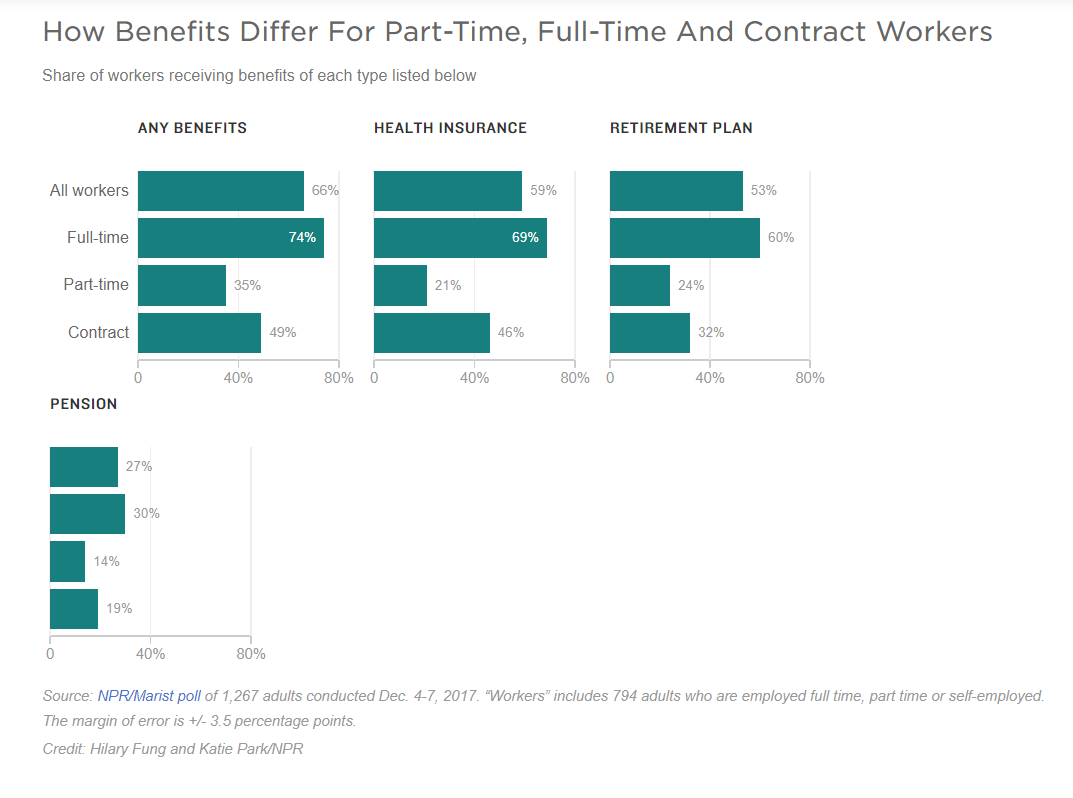
I don’t know much about these companies, but it is fascinating that they’re stepping up to try to solve this problem. It’s something that’s not going away anytime soon. As more people rely on contingent work, how they will they access benefits becomes more important. Contract work is booming, and 32 million Americans earn their living that way, according to a recent NPR article.

And this trend is expected to accelerate over the next decade. This “raises big questions about the future of the safety net,” the article said. “According to a [NPR/Marist] poll, 51 percent of freelance and contract workers do not receive benefits common to many full-time jobs — sick leave, unemployment insurance or retirement savings.”

As more entrepreneurs, small-business owners and contract workers find themselves lacking in benefits, it’ll be interesting to see what solutions come about to fill that gap.

Andie Burjek is a Workforce associate editor. Comment below or email editors@workforce.com.

Posted on January 24, 2018June 29, 2023

Wellness Companies React to EEOC Incentive Rule Upheaval

Andie Burjek, Working Well blog

It’s my first blog of 2018, and, boy, are we off to a quick start! I’ve mentioned before my keeping track of the EEOC vs. AARP wellness incentive disagreement, and we got some action on that in late December. Meanwhile, I’m deep in research about two meaty topics for which I’d love to gauge your thoughts.

Let’s begin!

Wellness programs took a hit recently when a federal judge ruled that an Equal Employment Opportunity Commission rule regarding incentives will be nullified as of Jan. 1, 2019.

A few different wellness companies told me their reactions to this news, and, to my surprise, not all of it was panic or negative. They were fairly varied.

The rule in question defined the word “voluntary” in relation to wellness programs. The Americans with Disabilities Act and Genetic Information Nondiscrimination Act limit what information employers can ask for from its employees. But in a voluntary wellness program employers can get around some of those limits because the program is voluntary.

The EEOC rule allowed wellness programs to be voluntary if the incentive or penalty was no more than 30 percent of the cost of the health plan.  In his initial decision, Judge John D. Bates, Senior United States District Judge of the United States District Court for the District of Columbia, said that the 30 percent incentive “is the equivalent of several months’ food for the average family, two months of child care in most states, and roughly two months’ rent” and said that the “fee of that magnitude could be especially coercive to lower-income employees and people with disabilities, who on average have lower incomes than those without disabilities,” according to the LA Times.

[Also read: “New Wellness Bill HR1313 Gets Flak for Genetic Privacy Concerns”]

One wellness vendor is celebrating this decision.

Outcomes-based programs are “pretty much dead,” and that’s a good thing, according to Al Lewis, CEO and co-founder of wellness education company Quizzify. He believes the judge was completely right in this decision.

“This changes everything. Without financial coercion, most employees aren’t interested,” he said in an email interview.

Employers should know that the ruling does not apply to all areas of wellness, just those involving medical exams and inquiries, he added. For example, fitness-based programs are still fine unless the company measures fitness.

Health risk assessments are also impacted, he added, as they would have to avoid medical inquiries. They could ask questions like, “How much broccoli do you eat?” or, “Would you like to receive information about diabetes?” but not “Are you depressed?” or “Do you have diabetes?”

Many vendors do not have the same celebratory attitude toward this regulation change. The ruling may be missing the boat, according to Henry Albrecht, CEO of engagement company Limeade. What some parties involved in this ruling call “coercion,” he calls “true support for whole-person well-being.”

[Also read: “Weighing the Value of Workplace Wellness”]

“Ultimately, companies running science-based programs with flexible technology and incentive systems shouldn’t lose sleep over the new EEOC changes. We’re not,” said Albrecht. “Programs that improve employee well-being aren’t going away. They’re too powerful because they drive employee performance, engagement, retention and company profit.”

Meanwhile, Lauren Chana, director of legal services at Vitality Group, a Chicago-based wellness company, has a different attitude toward the ruling. Chana, who ensures that the company’s program and their employer clients are compliant, is not concerned about the ruling, but curious.

“This opens a lot of doors for questions and uncertainty for employers,” she said. “For example, this ruling does not impact the ACA. The EEOC Wellness Rules, presumably, were designed to align with the ACA, but that will change. I am most curious to see the approach the EEOC and courts take to make this a practical rule moving forward.”

She also stressed that this does not have a big impact employers yet. The new rules don’t go into effect until Jan. 1, 2019, and “we haven’t a clue what the compliance date will be from there,” she said.

“With any new area, regulations are bound to go through a level of growing pains,” she added. “Employers will just need to be ready to keep adapting and adjusting until the regulations are able to strike the needed balance between the purpose of wellness, protection of employees and operational feasibility for employers.”

Each new development in wellness programs, whether by regulation or court cases, is pretty significant, said Calvin Chambers, an attorney at Hall Render, the nation’s largest law firm focused exclusively on matters specific to health care organizations.

After the initial EEOC rules came out, employers had some sense of certainty with regulations, he said. What they should expect now is that the incentives will either remain at 30 percent or lessen.

Employers who use wellness vendors for their programs may be confused at what to do next with plan design. A recent webinar addressed employer concerns and made suggestions for how they can make sure they can continue their programs. More on that in a future post.

Feel free to comment below or tweet at me @Andie_Burjek if you have any thoughts on this topic.

Meanwhile, the next two posts I’m working on are related to two articles I’ve been assigned: The Future of Retirement, and the Demographics of Entrepreneurship. I’ll pose two questions now. If you have any thoughts or a response, feel free to share:

What are your personal retirement concerns?

Can benefits be incorporated in startups to retain a more diverse group of employees?

Thanks for reading!

Andie Burjek is a Workforce associate editor. Comment below or email editors@workforce.com.
Posted on January 24, 2018June 29, 2023

University Makes Healthy Choice with Health Care Panel

The Health Care Task Force may not be the most creative name for a super group of organizational planners, but it served a vital service for University of Minnesota in 2002 when the institution switched to a self-insured plan.

“Employers, no matter the size, have finally given up hope that a huge insurance company or the government in D.C. will do something to save them or change costs, and so they’re taking it upon themselves to do something,” said one benefits professional.

Rather than relying on the state of Minnesota, the university set up its own internal infrastructure, complete with internal expertise in areas like pharmacy, HR and law.

Fifteen years later, the university’s internal plan still yields impressive results contrary to general health care cost trends. They avoid the high-deductible health plan, which shifts costs to employees; their pharmacy costs are well below the national trend; and employees aren’t seeing a premium increase for 2018, according to Ken Horstman, senior director of total compensation at the University of Minnesota.

The university, which has campuses in five Minnesota cities, accomplished this successful internal program through its own expertise and clear goals. The health plan has gone through many iterations since its genesis in 2002, said Horstman, but what has always been consistent is considering the support of the employees.

For example, costs and trends were skyrocketing in the mid-2000s after the university shifted to self-insurance, he said. When developing the health plan and strategy based on those trends, the impact on employees was a major factor in the decision. “[We] held back on making any significant plan design changes that would shift costs to its employees,” Horstman said.

The task force included a law professor, HR professionals and a consultant who helped determine plan design and how to set up the initial premium structure, he said.

The university also consults employees, forming a Benefits Advisory Committee. Four different employee groups represented include academics and professionals, faculty, civil servants and labor representatives. They’re not decision-makers, but they’re a vital part of the structure of the health plan, said Horstman.

The university’s willingness to experiment, make mistakes and revamp strategy if necessary has contributed to the program’s success. Currently, the university is primarily focused on the overall value and results of the benefits plan rather than the cost, said Horstman. It would have been an easy decision to go the HDHP route like other employers, but the university had its reasons for pursing a different strategy.

“There’s nothing wrong with [HDHPs]. But over time, if you get into too high of a deductible area, it does limit the care people seek for themselves, and that was a concern on our part,” Horstman said.

“Is it sustainable for the future?” he added. “We’ll find out, there’s a lot of uncertainty in this environment, and we can’t control all of that.”

The rise of self-insurance in the face of today’s health care climate is something notable, and not only for large organizations like the University of Minnesota, which covers 19,500 employees and their families. Between 2011 and 2015, self-insurance rose from 11.9 percent to 14.2 percent for employers with fewer than 100 employees and from 25.3 percent to 30.1 percent for employers with 100 to 499 employees, according to data from the Washington, D.C.-based nonprofit Employee Benefits Research Institute.

“Employers, no matter the size, have finally given up hope that a huge insurance company or the government in D.C. will do something to save them or change costs, and so they’re taking it upon themselves to do something,” said Andrew Cavenagh, managing director of Pareto Captive Services, a company that manages benefit captive programs allowing medium sized employers to self-insure with less risk.

It can be daunting at first for small to midsized organizations to go this route, but a good insurance consultant can help, said Cavenagh.

General Converting Inc., a carton manufacturer based in Bolingbrook, Illinois, has about 65 employees and is one Illinois-based employer partnering with Pareto and other small businesses to self-insure.

A critical step for the company is finding a knowledgeable broker with good people behind their company, said Christopher Husenger, controller and CFO for General Converting.

“We don’t have a big staff, an HR staff, we don’t have people working on this solely, so we need to reach out to people to do this,” said Husenger.

“There are a lot of insurance consultants out there that the status quo is great for,” said Cavenagh. “What we spend a lot of our time doing is trying to identify consultants who aren’t willing to accept the status quo on behalf of their clients.”

He added that he sees real health care reform, at the employer level, coming from small employers partnering together. “I think this will change the health care economy in our country.”

Andie Burjek is a Workforce associate editor. Comment below or email editors@workforce.com. Follow Workforce on Twitter at @workforcenews. 

Posted on January 22, 2018June 29, 2023

Maestro Health Is Acquired by European Insurance Giant AXA

Chicago-based corporate benefits provider Maestro Health was acquired by French multinational insurance firm AXA Group.

Maestro Health
Maestro Health made a colorful splash at the 2016 HR Technology Conference in its hometown of Chicago. The company was acquired by international insurance giant AXA Group on Jan. 22. Photo by Rick Bell

The move by AXA, the world’s 42nd largest health care brand, appears to be its formal entry into the U.S. health care space. The deal, which was announced Jan. 22 and must go through regulatory approval, was completed for $155 million, according to published reports.

AXA’s acquisition of Maestro supports AXA’s payer-to-partner strategy in line with its “Ambition 2020” corporate initiative, according to a joint release.

“Not only is this the optimal step into the next phase of Maestro Health’s history, it’s also the ideal partnership to reinforce our all-in, continuum of care model — and ultimately transform health care as we know it today,” said Rob Butler, CEO and founder of Maestro Health. “With the scale and resources of one of the most recognizable brands in the world, we are well positioned to expedite our mission to lower health care costs, reduce complexity and empower the consumer more than ever before.”

Please also read: Acquisition Frenzy Afoot in Corporate Wellness

Once the acquisition is final, Maestro Health will maintain its identity, mission and team, while operating as a wholly owned subsidiary of AXA, Butler said.

“It was critical for us to maintain our culture, brand and innovative identity, yet find a true partner with the unique combination of AXA’s scale, like-mindedness and industry prowess — a synergy that can appeal to all of our current customers and channel partners,” Butler said, adding that AXA and Maestro Health share the same vision and passion. “We both believe there is great opportunity to positively impact the U.S. health care system. With the scale and resources of one of the most recognizable brands in the world, we are now well positioned to expedite our mission to lower healthcare costs, reduce complexity and empower the consumer more than ever before.”

Namely
Namely CEO Matt Straz.

Matt Straz, founder and CEO of HR software company Namely, believes there is more consolidation ahead for companies in HR technology. The Maestro deal could be the first of many deals in 2018, he said.

“Look no further than ADP’s acquisition of WorkMarket, also announced (Jan. 22),” said Straz, whose company was targeted for acquisition by Google in 2016. “Platforms that focus on these core areas — HR, payroll, and benefits — are most likely to be the acquirers — and with dozens of funded HR SaaS startups out there, we expect to see more acquisitions of focused point solutions.”

Butler agreed, adding that the industry is at a tipping point and employers and employees can no longer afford the rising costs of employee health and benefits.

“They are looking for flexible and innovative solutions to assist them,” Butler said. “Those companies that can adapt and execute on the new realities of the health care marketplace will win, and we believe we are well positioned to make an impact.”

Limeade
Limeade CEO Henry Albrecht.

Henry Albrecht, founder and CEO of Limeade, a Bellevue, Washington-based employee engagement company, shares Oak HC/FT as an investor with Maestro. He said they’re happy to see other true disruptors expand the scope of their impact.

“All of the cash-rich health care companies — SAP, Oracle, Workday, Google, Microsoft and other top-of-the-food-chain companies — need three things more than all else: innovation, growth and different ways of looking at markets,” Albrecht said. “The point solution providers are getting gobbled up by private equity companies and apex predators in their respective food chains. Every element of the Fortune 500 HR and benefits ecosystem will be reinvented in a consumer-centric way. This is just one more example of that.

“Maestro and other companies are making incredible progress on the transactional side of employee experience. A home with a global leader like AXA makes sense. On the more immersive, longitudinal and cultural side of the HR equation, Limeade and a handful of other employee engagement companies are also bringing unique innovations to the market.”

With AXA, Maestro Health customers will see enhancements in their experience and access to leading product offerings, according to the release. Additionally, Maestro Health will continue to focus on delivering new and improved solutions and services to the market, designed to further reduce health care costs and improve engagement for constituents across the entire continuum of care, the release stated.

“We are excited about this strategic investment. It provides an attractive opportunity to build our presence in the U.S. health care market with a new business model that has the potential of improving health care quality for millions of employees,” said Guillaume Borie, chief innovation officer at AXA. “Maestro Health has outstanding technology, assets and people, an agile organization and a close-knit culture, providing exciting prospects for our population health management strategy in the U.S. market and beyond.”

Maestro is a relatively young benefits enterprise company, having been founded by Butler in 2013. The company made its first big splash on the HR technology scene in 2016 at the HR Tech Conference in Chicago. Butler talked up Maestro’s culture at the event. His candor was refreshing in an industry where honesty is in short supply.

“People have plenty of options in this space,” he said. “Our culture is the difference maker. We’re going to make mistakes; everyone does. But we’re going to service our customers and exceed their expectations. Employers simply want the truth.”

Maestro Health currently serves more than 500 groups and 1 million lives on its maestroEDGE platform. Maestro counts more than 300 employees, it has also been recognized with some of the industry’s most prestigious awards and accolades, including Great Places to Work Institute’s “Great Place to Work,” and ChicagoInno’s “Coolest Companies.” It was also named bronze winners in the American Business Awards “Most Innovative Company of the Year” and “Tech Startup of the Year.”

“Joining forces with AXA will undeniably make us a better and stronger company not only for our customers, but also for our employees,” added Rob Butler. “People and culture are at the core of what we do, and I am thrilled about this next chapter as it is the perfect long-term scenario to keep the team together and accomplish our mission in the U.S. healthcare market and beyond.”

Triple Tree acted as the exclusive financial adviser to Maestro Health for this transaction.

Maestro Health previously received growth capital financing by lead investor Oak HC/FT and SV Health Investors.

Editor’s note: This story was updated Jan. 23 with new quotes.

Rick Bell is Workforce’s editorial director. Comment below or email editors@workforce.com.

Posted on January 3, 2018June 29, 2023

Benefits Offerings Shouldn’t Be a Puzzle to Assemble

Many of our clients are waiting for the release of a technology solution that will solve all their problems. Will this be the year everything clicks into place and ongoing benefits engagement is no longer a challenge? Once we have the right tools, everything will be simple, easy and consolidated in one place, right?

If only that were our reality. What we’re seeing instead is a benefits and HR ecosystem that continues to get more crowded and more complicated. Providers are getting increasingly sophisticated in the tools and resources they offer. At the same time, employers are offering benefits from more and more providers. While the niche programs and tools are highly valuable and a great way to meet the needs of a diverse workforce, this means a more complex ecosystem for employees to wade through (and benefits pros to manage).

Before you move forward and make any significant changes to your benefits ecosystem — including adding a new communications channel or provider — consider how they will fit into your current environment. First, evaluate the different communications channels and resources you’re using today. Then determine if they create a cohesive experience for employees and how new providers and communications channels can be incorporated.

At the heart of any successful benefits ecosystem is a single dedicated and highly branded website that houses all benefits information. This education hub, or portal, connects employees to all the various administrators, programs and providers to make their transactions. It should be built outside the firewall so it’s accessible to family members. As a single go-to resource, a benefits website makes the task of adding new programs or communications channels much easier.

Once your website is in place, think about how the pieces of your communications ecosystem  — across administrators, providers and programs — fit together to move employees to and from the information they need. The most successful strategies utilize the strengths of multiple channels, and every organization needs to use several channels to reach employees and family members. As you review your current ecosystem and think about adding a new provider or communications channel to the mix, think about how to best use various tools to drive action.

  • Alerts: Text messages, notifications, calendar reminders and single-topic emails are just some of the alerts we see every day. Alerts work best when they are personalized, targeted and timely. Look for how new providers incorporate alerts into the way they stay connected to employees and be cautious that you don’t overwhelm employees with alerts (or they will start to tune out).
  • Promotions: Email, home mailers, posters and table tents are a just a handful of promotions we’re all familiar with. There are so many creative ways you can promote HR programs and resources. They can also be effective channels for your hard-to-reach audiences. These promotions point people toward education and transactional resources. Think about how you’ll use promotions to drive engagement across benefits and how you’ll make them as relevant and meaningful as possible.
  • Education: Detailed brochures, websites, videos, in-person meetings and webinars. If you’re like most employers, this is where you spend the bulk of your time and resources when it comes to communicating benefits. You explain how things work and are building channels that provide helpful information so employees have 24/7, self-service access. When you add new providers, think about how the education provided on their sites integrates with what you already have available. And, think about what you’ll need to do to get employees to use those sites.
  • Transactions: Benefits administration platforms, HRIS systems and providers’ websites can all be used to get stuff done, whether that’s enrolling, updating a beneficiary or participating in the wellness program. With mountains of personal data at their disposal, these channels create a compelling, targeted and personalized experience. But they are often full of resources that are underutilized. Plan for ongoing communication to drive usage of these platforms and tools.

A cohesive user experience is one of the biggest hurdles to ongoing engagement. While we may never have a single tool that does everything for us, looking at how all of the pieces work together and making ongoing benefits communication a priority will drive engagement.

Posted on December 21, 2017June 29, 2023

Here’s to 2018 — Wellness, Harassment and Tax Reform’s Effect on Drug Prices

Slovenia
The author and her great aunt stand atop a peak in Slovenia that overlooks Bohinj Valley, part of Triglav National Park. A sojourn back to Slovenia awaits in 2018.

It’s the end of 2017, which means I’ve thinking a lot about what I’m looking forward to in 2018.

There are the personal thoughts, like my extended family’s pilgrimage to Slovenia, the country my grandparents immigrated from. I’m looking forward to a two-day hike up a mountain, followed by a party in a castle with at least 17 of my family members once we descend back to sea level. And then there are work things — topics I’ve grown attached to while researching and covering them this year.

I can’t say I know what developments will happen with these issues, obviously, but they’re issues I’m looking forward to keeping up with next year, and issues that could greatly impact employers.

Wellness Incentives: Ahhh, my pet topic, the one has been a constant since I began this blog for Workforce a year and a half ago. When is a wellness program truly voluntary, and when are a program’s incentives coercive? AARP even filed a lawsuit against the EEOC regarding their final wellness rule, and now the EEOC has to defend its definition of “voluntary.” The question is, if a participating employee gets to pay 30 percent less on insurance premiums for joining a wellness program, is it truly voluntary? That’s a lot of money. And the number 30 really wasn’t rendered with any specific reasoning to begin with.

I’d need to speak to a legal expert in more detail about this case against the EEOC to understand the full scope of this suit. That being said, regardless of how large or small this scope is, it brings up issues that are critical to how companies set up and manage wellness programs. Will the wellness program of 2018 be significantly different than the wellness program of 2017? We’ll have to wait and see.

I’ve yet to find out anything new that has surfaced regarding this lawsuit since the story broke in August. As far as I can tell, the EEOC hasn’t explained its logic behind the percentage. If you come across anything on this, feel free to share it with me. Meanwhile, I’ll be on the lookout for new info.

Harassment: Then there is that Harvey Weinstein-sized elephant in the room to tackle. Workplace sexual harassment awareness has been gaining momentum these past few months, to state the obvious.

I’m curious what will happen with this next year. Despite some people’s claims that the pendulum has swung too far the other way now that a handful of prominent men have resigned or been fired due to sexual harassment or assault allegations, the pendulum has not even begun to swing. This is just the tip of the iceberg. Few people have actually taken responsibility or received jail time for sexual assault/harassment.

A recent NPR article explained how the standard for harassment under the law is so high that only 3 to 6 percent of cases make it to court, and only 2 percent of plaintiffs win their case. I’m curious in the following year what direction this will all go in. Will the #MeToo movement prompt changes in the law at all, like in the legal definition of harassment? What about NDAs? Will anything change in the court — not in the court of public opinion, but in courts that can actually punish people for serious crimes?

The Tax Bill: Many publications have posted workforce implications with the massive tax overhaul, like how commuters might lose transit benefits or how businesses realistically would spend its tax cut money. I was most interested in a throwaway line in a Washington Post article:

“Analysts predict that health insurers and pharmacy benefit managers will see profits 10 to 15 percent higher under the tax overhaul — money they could potentially put into lowering premiums for customers.”

Interesting thought. I have not been able to track down which analysts made this prediction. That being said, I’ll take this at face value for the sake of this argument. Let’s say employers and their employees see lower health and pharmacy costs. My question is, will this be enough to ease the tension of the employer-PBM relationship? PBMs, which act as the prescription-drug middleman between drugmakers and employers, haven’t exactly gone through 2017 free of scrutiny.

pit bull
Ringo the pet pit bull will not be making the family sojourn to Slovenia in 2018.

PBMs have their value. But some employers have been frustrated in recent years as prescription drug prices have risen, especially for specialty drugs.

They’ve also been frustrated with the lack of transparency and vague contracts in the PBM space, according to my sources in an article I wrote in the July/August print issue of Workforce.

What I’m curious about regarding the tax reform bill is, even if prices drop, would they lower enough for employers to forget about their transparency and contract frustrations? I’d expect not, but that’ll be something to look out for next year. Will employers and employees see their prescription drugs costs lower, and if they do, will that ease the criticism leveled against the PBM industry?

Now I’m off for the rest of the year to spend some time with my family and an adorable pit bull (who unfortunately cannot attend the big European trip with us. At 65 pounds, he can’t do air travel). Happy holidays, readers, and see you in 2018!

Andie Burjek is a Workforce associate editor. You can find Workforce on Twitter at @workforcenews. Comment below or email editors@workforce.com.

Posted on November 27, 2017June 29, 2023

Employers Should Consider a Prescription Drug Use Policy to Avoid Lawsuits

The issue of privacy has become a matter of paramount importance in modern life, particularly with regards to medical issues.

Health care professionals and their assistants are constrained from revealing a person’s medical history and treatment without the express permission of their patients. However, in the workplace, liability can attach to an employer if an employee causes an accident, and the issue of liability can be exacerbated if the employee was impaired by an undetected use or misuse of legal prescription drugs. It’s a good idea for employers in safety-sensitive industries to be proactively aware if their employees are using prescription medication that may physically and mentally impair them.prescription drugs

Unfortunately, there is no case directly on point with regards to an employer mandating disclosure of prescription drug use by its employees on the job. However, analogies can be drawn from the current cases related to drug testing in key states like California and New York.

Reviews appear to indicate that required disclosure of prescription drug use may be upheld if:

  1. The employee is engaged in safety-sensitive duties.
  2. The drug in question may impact the employee’s ability to engage in safety-sensitive duties adversely.
  3. The disclosure is only related to on-the-job drug use.
  4. The information required to be disclosed is treated by the employer with the utmost discretion in order to safeguard the employee’s privacy.

Employee Privacy Rights

Failure of the employee to disclose may be determined either through random or focused drug tests provided there is a reasonable suspicion for a test focusing on a single employee and the random test is truly random.

The employee’s privacy rights would then be addressed in the method and manner of testing, and the subsequent dissemination of the results by the employer while due process issues would be addressed by the wording of the drug testing policy to be distributed to employees before this protocol is put into place.

According to Loder v. City of Glendale, in California, current employees have a greater expectation of privacy than do job applicants. Further, that case and Hill v. National Collegiate Athletic Association demonstrated the employer’s right to drug test current employees is subject to a balancing test between the employee’s reasonable expectation of privacy as safeguarded in the U.S. and California constitutions and an employer’s legitimate interest in safety.

The Loder court invalidated an across-the-board testing protocol which applied to every employee regardless of their job descriptions or duties. The protocol required a clerk or a secretary to be drug tested in the same method or manner as a truck driver operating heavy machinery.

The Loder court went on to hold that an employer may implement suspicion-based testing without violating an employee’s right of privacy as provided in the California Constitution. In Kraslawski v. Upper Deck Co., testing based on the reasonable suspicion of drug or alcohol use necessarily requires a showing of specific objective facts and rational inferences supporting the conclusion that an employee is under the influence of intoxicants.

However, the testing protocol must take into account the safety implications of the employee’s position with the company. In the case of Smith v. Fresno Irrigation District, the court upheld the termination of a construction and maintenance worker for failing a random drug test on the grounds that the worker’s position was safety sensitive and that his expectations of privacy were outweighed by his employer’s legitimate and substantial safety-related reasons for random drug testing.

Specifically, the court noted that the policy of the district was narrowly tailored to apply to employees in safety-sensitive positions. The defendant employed a computerized random number generator to determine which employee would be tested and on what date the testing would occur. The policy called for an average of two tests per classified employee each calendar year. The policy defined “safety-sensitive positions” as those which “as a normal course of business require the employee to operate district vehicles or heavy equipment or those positions in which the employee’s performance, reflexes and/or judgment impact the safety of others.”

After reviewing the balancing of the plaintiff’s reasonable expectation of privacy with the district’s interest in reducing the incidence of serious harm to its employees, the court found that the use of the drug tests by the district was legitimate. The court noted that an employer need not wait for an accident to occur prior to instituting policies which address their safety concerns. The court also found that the plaintiff’s expectation of privacy was diminished by the fact that the district gave its employees six months’ notice before it implemented its drug testing policy.

Classification of Safety-Sensitive Positions

prescription drugsHowever, simply citing the program as safety-related does not relieve the employer of addressing the very real privacy concerns. For example, in the matter of Luck v. Southern Pacific Transportation Co., a computer programmer working for the Southern Pacific Transportation Co. refused to submit a urine sample as part of an unannounced drug test by her employer. She was terminated. The court upheld a verdict awarding her damages for wrongful termination noting that the mere fact that she worked for an employer that is safety-sensitive does not make her position a safety-sensitive position.

The Luck court also distinguished between unsupervised employees who work in the field and employees like the plaintiff who work in a traditional office environment where drug use may be more easily detected.

Moreover, even if the employee is firmly within the classification of safety-sensitive position, the privacy rights of the employee become far more pronounced when the testing is to be conducted off duty. The court in the case of Edgerton v. State Personnel Board found that off-duty follow-up drug testing of California Department of Transportation employees violated the employee’s privacy interests under the California Constitution.

In 1989, the U.S. Supreme Court in the case of Skinner v. Ry Executives Ass’n determined that, while the 4th Amendment prohibition against unreasonable searches and seizures is applicable to employment drug and alcohol testing, it is overcome by “the legitimate interest in preventing accidents and casualties in railroad operations that result from the impairment of employees.”

Similarly, New York courts found that pre- and current employment drug testing was warranted for subway conductors (Dozier v. New York City) and security guards (Jennings v. Leon), while an Illinois court upheld the compelled drug testing of a police officer as Constitutional (Hillard v. Bagnola). In all of these cases, the courts emphasized that the nature of the employment as safety-sensitive supported the need to test those employees periodically for drug and/or alcohol abuse on the job.

The takeaway from these authorities is that random drug tests must narrowly focus on employees engaged in safety-sensitive behavior. The Luck and Loder cases make clear that simply working in an office setting of a safety-oriented employer does not justify random drug testing of that employee.

That said, if the employee is engaged in safety-sensitive behavior, the expectation of privacy of that employee is reduced. This is particularly true if the protocol has been disseminated to the employees beforehand and they have a reasonable expectation that while they are on the job they may be subject to random testing. However, to the extent that testing occurs off duty, the balancing between privacy and legitimate concerns swings the other way toward the employee, as in Edgerton. Finally, if the employer has legitimate suspicions of drug use on the job based upon objective factors, courts have generally upheld an individualized drug test provided the drug test is done in a means and manner that is respectful of the employee’s right of privacy and allows the employee an opportunity to contest the results should they prove to be positive for prohibited medications and drugs.

Disclosing Prescription Drug Use as Condition of Employment

As noted, none of these cases addressed whether or not an employee can be compelled as a condition of his or her employment to disclose the use of prescription medication to the employer. If we analogize, however, it appears likely that the court will uphold that requirement as to safety-sensitive employees only.

In other words, this protocol and policy cannot be adapted to office workers but rather, should be limited to those employees who are in safety-sensitive positions, often in the field, where they cannot be directly supervised by management. Second, given that often we are talking about prescribed medication that is entirely legal, there must be a sensitivity as to the levels that are detectable in these tests.

As noted by the Edgerton case, a drug test is a periscope into the private life of an employee. That fact may have implications as to the employee’s off-duty life. The only justification for a drug test on duty is to determine whether or not an employee is impaired on duty and to provide a deterrent to that employee and others who might abuse drugs and medication while on duty.

If a metabolite is so low that the drug it is associated with was necessarily taken at its maximum strength while an employee was off duty, consequences while the employee is on duty run the risk of violating the employee’s right to privacy.

Michelle MacDonald is an employment law attorney with Gray Duffy LLP, based in Encino, California. Allyson Welden is a post-bar law clerk in the firm’s Encino office and assisted in research for this article.

Posted on November 16, 2017June 29, 2023

Work Stress and the ADA

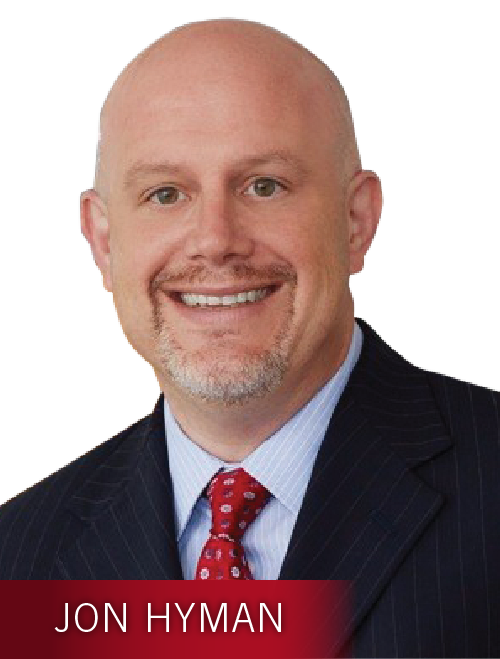
Jon Hyman The Practical Employer

I’ve been thinking a lot lately about stress, and the anxiety it can cause.

Stress-induced anxiety can cripple someone. According to the Anxiety and Depressions Association of America:

  • 72 percent of people who have daily stress and anxiety say it interferes with their lives at least moderately.
  • 40 percent experience persistent stress or excessive anxiety in their daily lives.
  • 30 percent with daily stress have taken prescription medication to manage stress, nervousness, emotional problems, or lack of sleep.
  • 28 percent have had an anxiety or panic attack.

What happens, however, when the thing inducing the stress and anxiety is the workplace itself? What are an employer’s obligations under the ADA to accommodate this mental health disorder?

Let’s start with the basics.

Under the ADA, the term “disability” means, among other definitions, that an individual has a physical or mental impairment that substantially limits one or more “major life activities.” One such major life activity that an impairment can substantially limit is one’s ability to work. In this context, however, work means something more than one’s current position or workplace. It means a significant restriction in one’s ability to perform either a class of jobs or a broad range of jobs in various classes as compared to the average person having comparable training, skills, and abilities. It does not mean a substantial limitation in performing the unique aspects of a single specific job.

It is for this reason that almost all courts that have examined this issue have concluded that anxiety or other mental health issues caused by workplace stress are not ADA-covered disabilities that an employer must accommodate.

The most recent appellate pronouncement on this issue is from the 7th Circuit, in Carothers v. County of Cook, in which the plaintiff claimed that anxiety relating to an altercation with an inmate prevented her from working her job in the county juvenile detention center. The court disagreed that her job-related anxiety required the employer to make any accommodation:

Here, Carothers has presented evidence that her anxiety disorder prevents her from interacting with juvenile detainees at the JDC. However, interacting with juvenile detainees is a unique aspect of the single specific job of working as a hearing officer at a juvenile correctional center. There is no evidence that Carothers’ anxiety disorder would prevent her from engaging in any other line of occupation. Since the inability to interact with juvenile detainees does not restrict Carothers from performing either a class of jobs or a broad range of jobs, she has not established that she is disabled within the meaning of the ADA.

That said, suppose that either (a) the employee is restricted from performing a class or broad range of jobs; or (b) you want to offer accommodation to the employee even if not legally required to do so. What are you accommodation options? Let me suggest a few.

  • FMLA (if you are a covered employee and the employee is eligible)
  • Non-FMLA unpaid leave of absence
  • Referral to an employee assistance program to assist with stress management
  • Transfer to a less stressful position (if the employee is qualified and the position is available)
  • Modified work schedule (telecommuting if possible, revised work hours, more frequent breaks)
These are difficult issues without easy solutions, and I feel badly for any employee living with such debilitating stress and anxiety. That said, every employee isn’t always suited for every job and every workplace, and sympathy does not equate to legal obligation to act.
Jon Hyman is a partner at Meyers, Roman, Friedberg & Lewis in Cleveland. Comment below or email editors@workforce.com. Follow Hyman’s blog at Workforce.com/PracticalEmployer.

Posts navigation

Previous page Page 1 … Page 16 Page 17 Page 18 … Page 63 Next page


Webinars


White Papers


  • Topics

    • Benefits
    • Compensation
    • HR Administration
    • Legal
    • Recruitment
    • Staffing Management
    • Training
    • Technology
    • Workplace Culture
  • Resources

    • Subscribe
    • Current Issue
    • Email Sign Up
    • Contribute
    • Research
    • Awards
    • White Papers
  • Events

    • Upcoming Events
    • Webinars
    • Spotlight Webinars
    • Speakers Bureau
    • Custom Events
  • Follow Us

    • LinkedIn
    • Twitter
    • Facebook
    • YouTube
    • RSS
  • Advertise

    • Editorial Calendar
    • Media Kit
    • Contact a Strategy Consultant
    • Vendor Directory
  • About Us

    • Our Company
    • Our Team
    • Press
    • Contact Us
    • Privacy Policy
    • Terms Of Use
Proudly powered by WordPress